A good wedding DJ does three jobs at once: runs the music, runs the microphone and runs the timeline. Judging one on price alone misses two of them.
Look for a wedding DJ who can manage your timeline, whose music taste fits your crowd, and who has the personality to read a room and make announcements. Ask for samples before booking, ask how they handle requests, and treat a refusal to provide references as a reason to walk away.
| What to look for | Why it matters | How to test it |
| Timeline management | Your wedding DJ cues the whole evening | Ask how they work with planners |
| Music fit | Taste has to match your crowd | Ask for samples before booking |
| Personality | They are your emcee too | Meet them, do not just email |
| Preparation | Good DJs work well before the day | Ask what happens between now and then |
| Transparency | Hidden costs surface late | Ask what the base package includes |
In previous articles we have discussed why it can be important to spend more on a DJ for your wedding.
In addition to price there are other important factors to consider. As an event planning company with years of experience, here are our best tips to picking the perfect DJ!
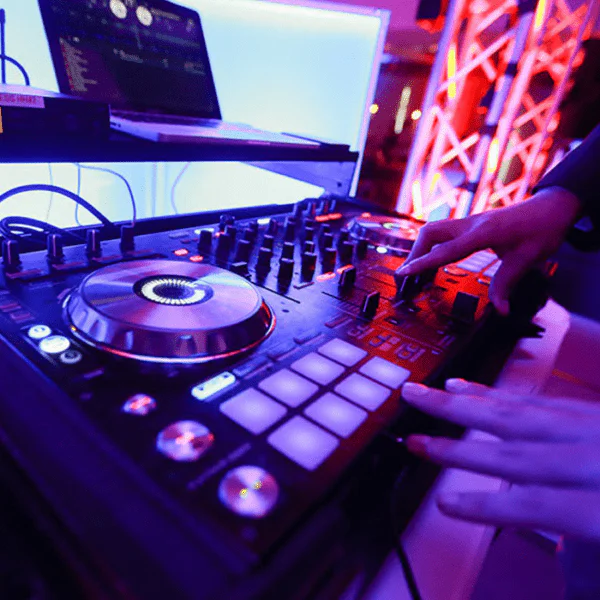
Being a great DJ requires more than meets the eye. It is crucial to have top notch communication skills, elite music taste, and a fun personality!
Tip 1: A Wedding DJ Runs the Timeline, Not Just the Music
The DJ has multiple jobs at a wedding or event and it is not just pressing play on a playlist.
- It is the DJs job to make announcements and coordinate the timing of events throughout the evening.
- Organized DJs have a timeline to keep the event on schedule and have notes from the event planners to make sure they get all the details right!
Most of that work happens before the day. According to Zola, professional wedding DJs typically spend 10 to 15 hours preparing for each wedding on consultations, playlist building and vendor coordination.
| Timeline moment | What your wedding DJ is doing |
| Grand entrance | Cueing music, announcing names correctly |
| Dinner service | Reading pace, holding volume down |
| Speeches | Handing off mics, managing feedback |
| First dance | Timing the cue, watching the photographer |
| Dance floor | Reading the room, adjusting the set |
| Last song | Coordinating the exit with the venue |
That coordination is why the DJ belongs inside your broader event planning rather than being booked in isolation.

Tip 2: Wedding DJ Music Taste and Fit
Make sure your DJ’s music taste matches your own or can be adapted to the type of party you are looking to host!
- Ask for samples of their work before booking their services to see if they would be a good fit for you and your guest list!
- You can also provide a few requests in advance so they learn your music taste.
Two lists make this concrete, and a good DJ will ask for both:
| List | What it does |
| Must-play | Songs that have to happen, in order |
| Do-not-play | The tracks that would spoil the night for you |
| Play-if-it-fits | Suggestions the DJ can use or skip by feel |
The third list matters most. It gives a wedding DJ room to read the floor rather than working a fixed queue, which is why you hired a person and not a playlist.
Adaptability matters even more at social events, where the crowd is less predictable than at a wedding.

Tip 3: Personality and Crowd Reading
Most importantly, personality is key to having a good DJ! Your DJ will be responsible for keeping the dance floor groovin’ all night long.
- It is crucial to have someone who can scan the crowd and keep them entertained.
- Additionally, since the DJ will serve as an emcee it is important for them to not shy away from making announcements.
- They should keep the party moving!
This is the hardest quality to judge over email, which is why a call matters. Listen for whether a wedding DJ asks about your day or only describes their packages.
| Signal | What it tells you |
| Asks about your guests | They plan to read the room, not a list |
| Comfortable on the phone | They will be comfortable on the mic |
| Talks about other vendors | They understand the wider event |
| Only sends a price sheet | You are buying equipment, not a performer |
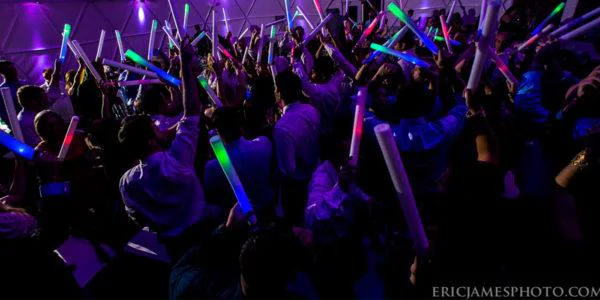
Questions to Ask a Wedding DJ Before You Book
Zola recommends specific questions rather than general ones. These separate two quotes fastest:
- What is included in your base package price?
- Do you have backup equipment and a contingency plan if you cannot perform?
- How many weddings do you take per weekend in peak season?
- Can we provide a do-not-play list alongside must-play songs?
- How do you coordinate with photographers and caterers?
- Do you carry liability insurance, and what does it cover?
Lighting often sits on the same quote, so ask whether event lighting is inside or outside the base price.
Red Flags Worth Walking Away From
Zola flags three warning signs in particular. Each has an easy test.
| Red flag | The test |
| Will not provide references | Ask for two couples from the last year |
| Inflexible about music preferences | Mention a do-not-play list and watch the reaction |
| Cannot explain pricing clearly | Ask what is included, in writing |
| No named DJ in the contract | Ask who is actually performing at your event |
| No backup plan | Ask what happens if they get sick |
Seeing real work helps as much as hearing answers, so look through past events before shortlisting anyone.
When to Book
Zola recommends booking eight to twelve months ahead, and sooner if you have a specific DJ in mind. Peak wedding season runs May through October, so those Saturdays go first.
| Timing | Effect |
| 8 to 12 months out | Best choice, locks current pricing |
| Off-peak months | More availability, often lower rates |
| Under 3 months | You choose from whoever is left |
Booking early also protects the rest of your wedding planning, since entertainment shapes the evening.
Frequently Asked Questions
What should you look for in a wedding DJ?
Look for timeline management, music fit and personality. A wedding DJ announces, cues and paces the whole evening, so they need organisational skills as much as taste. Ask for samples and check they are comfortable on a microphone, not only behind a laptop.
What questions should I ask a DJ before booking?
Ask what the base package includes, whether they have backup equipment and a contingency plan, how many weddings they take per weekend, whether you can supply a do-not-play list, how they coordinate with other vendors, and whether they carry liability insurance.
How do I know if a wedding DJ is right for my event?
Meet or call them rather than emailing. A DJ who asks about your guests and your evening plans to read the room. One who only sends a price sheet is selling equipment.
How far in advance should I book a wedding DJ?
Eight to twelve months ahead according to Zola, and earlier for peak-season Saturdays between May and October. Booking early also locks in pricing before annual increases.
What are the warning signs of a bad wedding DJ?
Refusing to provide references, being inflexible about your music preferences, and being unable to explain clearly what their pricing includes. Add to those a contract that does not name the individual DJ performing at your event.
Key Takeaways
- A wedding DJ runs your timeline as much as your music, cueing announcements, speeches and transitions all evening.
- Ask for samples before booking, and share a few requests early so they learn your taste.
- Bring a do-not-play list as well as a must-play list, and watch how the DJ reacts to it.
- Meet or call rather than emailing, because personality is impossible to judge on paper.
- Book your wedding DJ eight to twelve months out for peak-season dates, and get the individual named in writing.
Ready to Book the Right DJ?
The best wedding DJs are hired for judgement, not for their playlist. Anyone can queue songs. Reading a room, holding a timeline and sounding right on a microphone is the actual job.
Ready to book the right DJ? Get in touch.