Ask ten guests what made an event good and you’ll hear about the food or the speaker. Ask the organizer and you’ll hear about the six months nobody saw. To plan a successful event, you decide nearly everything before anyone arrives.
To plan a successful event, define one measurable goal, build budget and timeline together, book venue and production early, promote with reminders, write a run of show, and measure against that goal. Most failures trace back to a goal nobody agreed on or a timeline that started too late.
Here is the event planning process and event planning timeline that work.
| Step | When | The one thing to get right |
| 1. Event goals and audience | 6+ months out | A single measurable objective |
| 2. Event budget and timeline | 5-6 months out | Contingency you never touch |
| 3. Venue and site visit | 4-6 months out | Walk it with a checklist |
| 4. Vendors and production | 3-4 months out | Book AV with the venue |
| 5. Promotion and registration | 6-8 weeks out | Reminder emails |
| 6. Run of show | 2-3 weeks out | Rehearse with the real files |
| 7. Measurement | Within 48 hours | Survey while it’s fresh |
What It Takes to Plan a Successful Event
To plan a successful event means delivering a defined outcome for a defined audience, on time and on budget, through a documented process covering goals, budget, logistics, production and measurement. Notice what isn’t in there: size or spend.
| 2026 benchmark | Figure | What it means for you |
| Planners naming budget as top challenge | 63.5% | Process beats spend |
| Expected cost increase this year | 2-4% | Build it into the estimate now |
| Attendees planning more in-person events | 54% | Demand is there if the format earns it |
| Organizers still running hybrid components | 93% | Remote guests are standard, not extra |

Step 1: Set Event Goals and Define the Audience
Every attempt to plan a successful event starts with one sentence: this event succeeds if _______.
| Event type | A good success statement |
| Product launch | 40 qualified demo requests from attendees |
| Conference | 75% session attendance and a 4.5+ satisfaction score |
| Fundraiser | $85,000 raised and 20 new recurring donors |
| Wedding or gala | Guests stay through the last dance |
Then get specific about who it is for:
- Who must attend for the goal to be met
- What they came for, since only 15% of organizers rate their own networking as very effective
- What they will skip if the agenda runs long
Format follows from there. A fundraiser and a wedding both succeed by holding a room, but little else should match.
Step 2: Build the Event Budget and Timeline Together
Most attempts to plan a successful event come apart here, because budget and timeline are one conversation.
| Event budget line | Typical share | Notes |
| Venue and catering | 40-50% | Shoulder dates and secondary cities save the most |
| AV and production | 15-25% | The part guests actually see and hear |
| Content and talent | 10-15% | Scale to the goal, not the budget |
| Contingency | 5-10% | Never spend it early |
Corporate cost per attendee runs near $169 per day, so a 10% swing on 200 guests is real money.
Handing this stage over is the core of what full-service event planning covers, and it is where a repeatable event planning process pays for itself.
Step 3: Choose the Venue and Do a Real Site Visit
Photos lie. Walk the room with an event planning checklist in hand, since no single choice does more to plan a successful event than the venue.
- Ceiling height and rigging points for screens, truss and lighting
- Power: capacity, outlet locations, generator access
- Load-in: dock access, elevator size, curfew rules
- Sightlines: columns, soffits, where the back row sits
- In-house exclusivity on AV or catering, and the cost to bring your own
- Arrival path: where guests park, enter and wait
That last one gets skipped most. The entrance sets expectations before a word is spoken, which is why event lighting belongs in the site visit conversation.
Step 4: Book Vendors and Lock Production Early
Production is the piece most often left too late when teams plan a successful event on a short runway.
| Vendor | Book by | Why that early |
| Venue | 4-6 months out | Prime dates go first |
| AV and production | 3-4 months out | Crew and gear are shared across events |
| Catering | 3 months out | Tastings and menu sign-off need runway |
| Photo and video | 2-3 months out | Weekend availability disappears fastest |
Fewer vendors is better. One partner covering staging, audio visual production and streaming removes the coordination tax of three companies pointing at each other on show day.
A repeatable production standard is what separates polished corporate events from ones that merely happen.
Decide the format now too, and plan hybrid events as their own audience rather than a camera at the back.
Step 5: Event Promotion and Easy Registration
You cannot plan a successful event nobody registers for, so put the sends on a calendar rather than a to-do list.
| When | What to send | Why it works |
| 8 weeks out | Announcement and registration link | Gives the date runway |
| 3 weeks out | Agenda and speaker reveal | Converts the undecided |
| 1 week out | Know-before-you-go details | Cuts no-shows |
| 1 day and 1 hour before | Reminders | Lifts attendance by up to 83% |
Keep the form short. Every extra field costs completions, and dietary preferences can wait.
Step 6: Write the Run of Show and Rehearse Against It
A run of show is the minute-by-minute internal script your crew works from. Your agenda tells guests what happens; this tells the team running it.
Every line should carry:
- Clock time and duration for the segment
- Owner, so nobody waits to see who moves
- Media cues: video rolls, slide changes, playback source
- Mic and lighting changes, including who is live
- Transition notes for anything needing a stage reset
Then rehearse it properly:
- Two to three weeks out, build the document and circulate it
- 72 hours out, lock all decks and video files
- The day before, run it in the real room with the real files
Step 7: Send the Post-Event Survey While It’s Fresh
You cannot plan a successful event twice without knowing how the first went, and later surveys get lower response rates and less accurate recall.
| Metric | What it tells you |
| Attendance rate vs. registrations | Whether promotion and reminders worked |
| Goal metric from Step 1 | Whether the event did its job |
| Session engagement and drop-off | Which content held the room |
| Cost per attendee | Whether the spend was efficient |
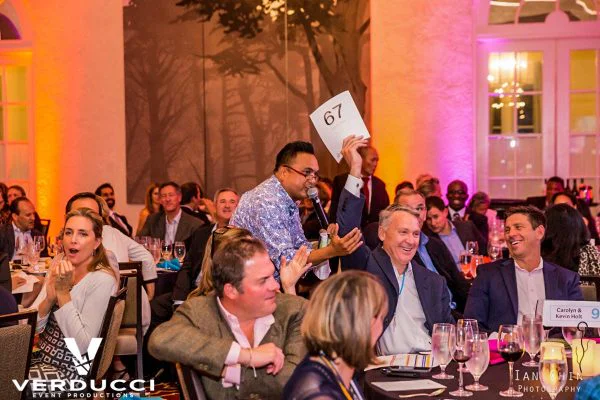
Report against the statement from Step 1, not how the day felt. When presenting, photography and past work make the numbers land better than a spreadsheet.
Mistakes That Derail a Successful Event
These show up whenever teams plan a successful event on a compressed timeline.
| Mistake | Fix |
| Treating AV as a late rental decision | Brief production alongside content |
| A budget with no contingency | Ring-fence 5% to 10% and leave it alone |
| Registration with no reminder plan | Schedule day-before and hour-before sends |
| Touring venues on instinct | Use one event planning checklist at every site |
| Surveying a week later | Send within 48 hours |
Frequently Asked Questions
How do you plan a successful event step by step?
To plan a successful event, set one measurable goal, build budget and timeline together, secure the venue after a site visit, book production, promote with reminders, write a run of show, and survey within 48 hours. The sequence matters more than the tactics, since each stage constrains the next.
How far in advance should you start planning an event?
Begin six months out for a large conference, wedding or launch, three to four months for a smaller internal event. Sign venue and production contracts four to six months ahead, since availability is the constraint.
What is the most important part of event planning?
Defining the goal matters most, since it determines format, budget, venue and how you measure results. Everything else in the event planning process is downstream, which is why events without an agreed objective drift.
How much does it cost to plan an event?
Allocation matters more than the total: venue and catering take 40% to 50%, production 15% to 25%, contingency 5% to 10%. Corporate cost per attendee runs near $169 per day, rising 2% to 4% in 2026.
How do you measure whether an event was successful?
Measure against the goal set at the start, alongside attendance rate, engagement, survey score and cost per attendee. Send it within 48 hours while recall is accurate. That comparison is how you plan a successful event next time.
Key Takeaways
- To plan a successful event, start with one measurable goal and test every later decision against it.
- Build budget and timeline together, protecting a contingency of 5% to 10%.
- Walk the venue with the same event planning checklist every time, and book production early.
- Send reminders the day before and the hour before, which can lift attendance by up to 83%.
- Send the post-event survey within 48 hours and report against the goal, not the mood in the room.
Ready to Plan Your Next Event?
The events people remember rarely had the biggest budget. They had a clear goal, a timeline that respected lead times, production booked before it got urgent, and a rehearsal nobody skipped.
Want a production partner instead of a spreadsheet and a lot of hope? Talk to VEP about your event and we’ll handle it from the first call through load-out.